Start with your trading goals and account fit
Before comparing providers, list what you want from your trading experience: tight spreads, fast execution, advanced chart tools, or reliable customer support. A strong match for scalping may not be the same as a match for long-term swing trading, so decide on your best forex broker in uae style first. Then translate your style into requirements such as order types, available instruments, and whether you need education to reduce early mistakes. When your criteria are clear, broker comparisons become much easier and more objective.
Next, confirm that the broker’s account setup supports how you plan to trade. Look for minimum deposit requirements that align with your risk level, as well as leverage options that you can manage responsibly. Check whether the platform offers demo accounts so you can test execution quality and charting workflow without risking capital. Finally, verify that account funding methods match what you use in the UAE, since inconvenient deposits can create unnecessary delays during volatile sessions.
Check regulation, deposit security, and trading execution
Safety matters as much as features, so review the broker’s regulatory standing and transparency. Look for clear information about how client funds are handled, what protections are provided, and how the broker describes risk disclosures. If a broker avoids online trading platform uae details or makes claims without documentation, treat it as a red flag. For UAE traders, it’s also smart to ensure the broker supports the appropriate account disclosures and communications for your region.
Execution quality is another practical factor that you can test rather than guess. Compare indicators like spread consistency and the quality of fills during fast market moves, especially around news events. Use the broker’s platform to place test orders on liquid pairs and observe slippage, order rejection rates, and latency. Also review how the broker handles stop-loss and take-profit orders, since reliable order processing helps you enforce your risk plan under pressure.
Evaluate the online trading platform and tools
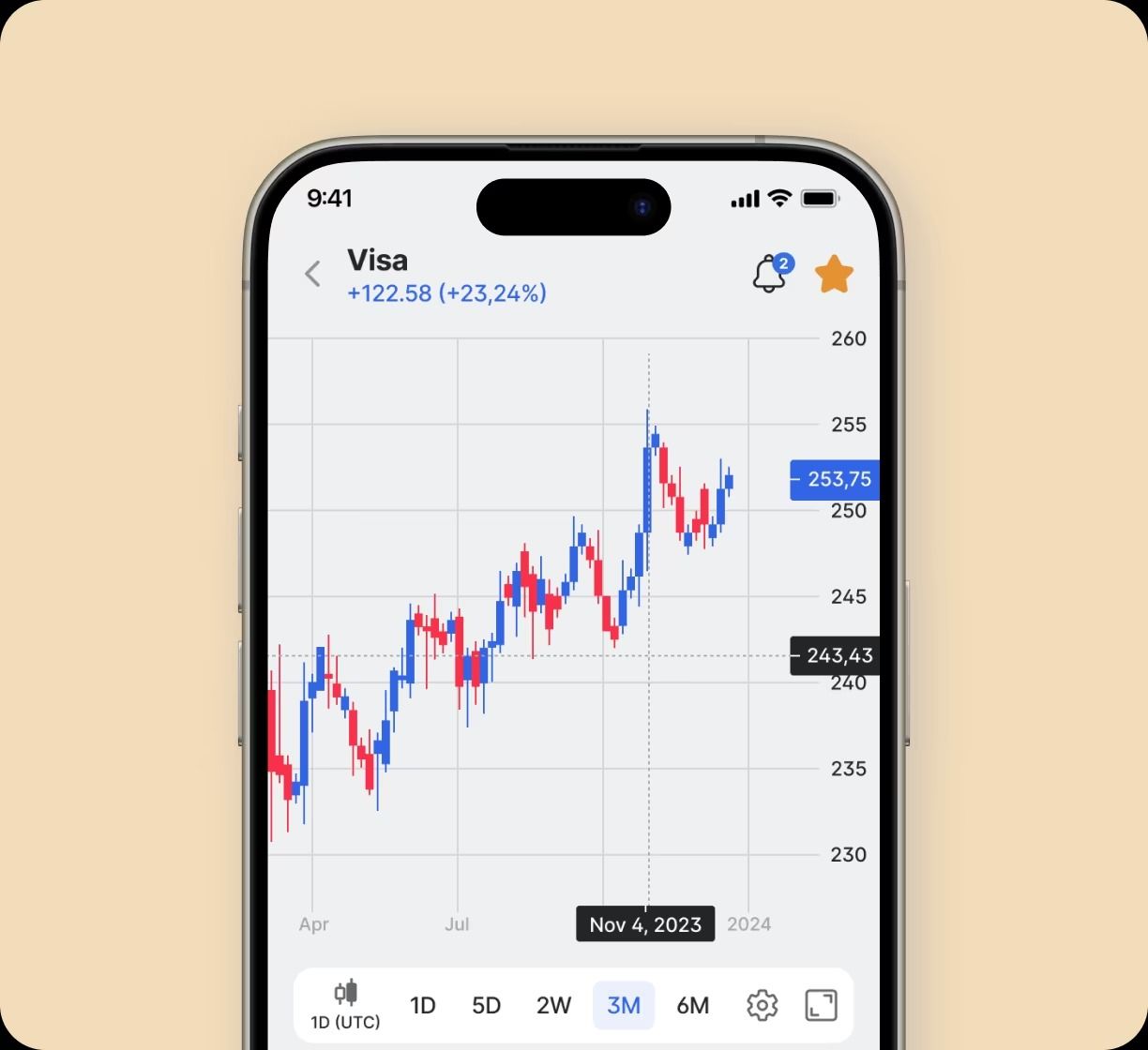
A smooth online trading platform can save time and improve decision-making, particularly when you monitor multiple markets. Focus on charting depth such as customizable indicators, multiple timeframes, and drawing tools that fit your strategy. If you trade CFDs, confirm that the platform provides access to the major instruments you want, and that the market watch view is easy to manage. Advanced search and instrument filtering also reduce friction when you switch between currencies or market sectors.
Look for sophisticated analysis features that support both entry and risk management. Useful tools include alerts, economic-event awareness, and technical indicators that can be combined into a clear trading workflow. Consider whether the platform supports rapid order entry with market and limit functionality, plus conditional orders where appropriate. Finally, evaluate usability on the devices you plan to trade from, such as desktop and mobile, since the best broker for you should deliver consistent performance across screens.
Conclusion
Choosing a broker is not only about reading reviews; it’s about matching real trading needs to a provider’s execution, tools, and support. Use a practical checklist: confirm instrument access, test the platform with a demo, verify order handling, and ensure funding and security are straightforward. When you compare brokers with the same criteria, you reduce guesswork and avoid expensive onboarding mistakes. For traders who value modern charting and refined trading functionality, VCG Markets is designed to support informed participation through advanced indicators and a modern environment. You can explore vcgmarkets.com to see how the online trading experience is structured around serious market analysis and execution. If you want an efficient next step, write down your top three must-haves and your top two deal-breakers, then compare them against each shortlisted provider. Pay close attention to practical usability: chart setup speed, alert management, and how quickly you can place and adjust orders. A broker that looks great on paper but is hard to use can slow you down when markets move quickly. A well-chosen provider helps you trade with confidence, follow your plan, and keep your focus where it belongs—on the market.
