Start with expert-level criteria for real support
A strong tool supports structured reflection, offers practical coping suggestions, and respects user privacy with clear controls. Expert-recommended apps also provide guidance that ai therapy app helps you track patterns over time, such as triggers, emotions, and responses, so you can practice change with intention. If the experience feels random or purely conversational, it may not be as useful for consistent progress.
Another key criterion is how the app handles personalization and safety. You want content that adapts to your goals—like managing anxiety, strengthening self-worth, or improving emotional regulation—without pretending to replace professional care. Look for prompts that encourage mindful language, realistic thinking, and gentle next steps, especially when you’re in a difficult mood. The best self guided experiences include clear boundaries, such as escalation guidance when someone may need urgent professional support.
Focus on reflection, coping tools, and measurable habits
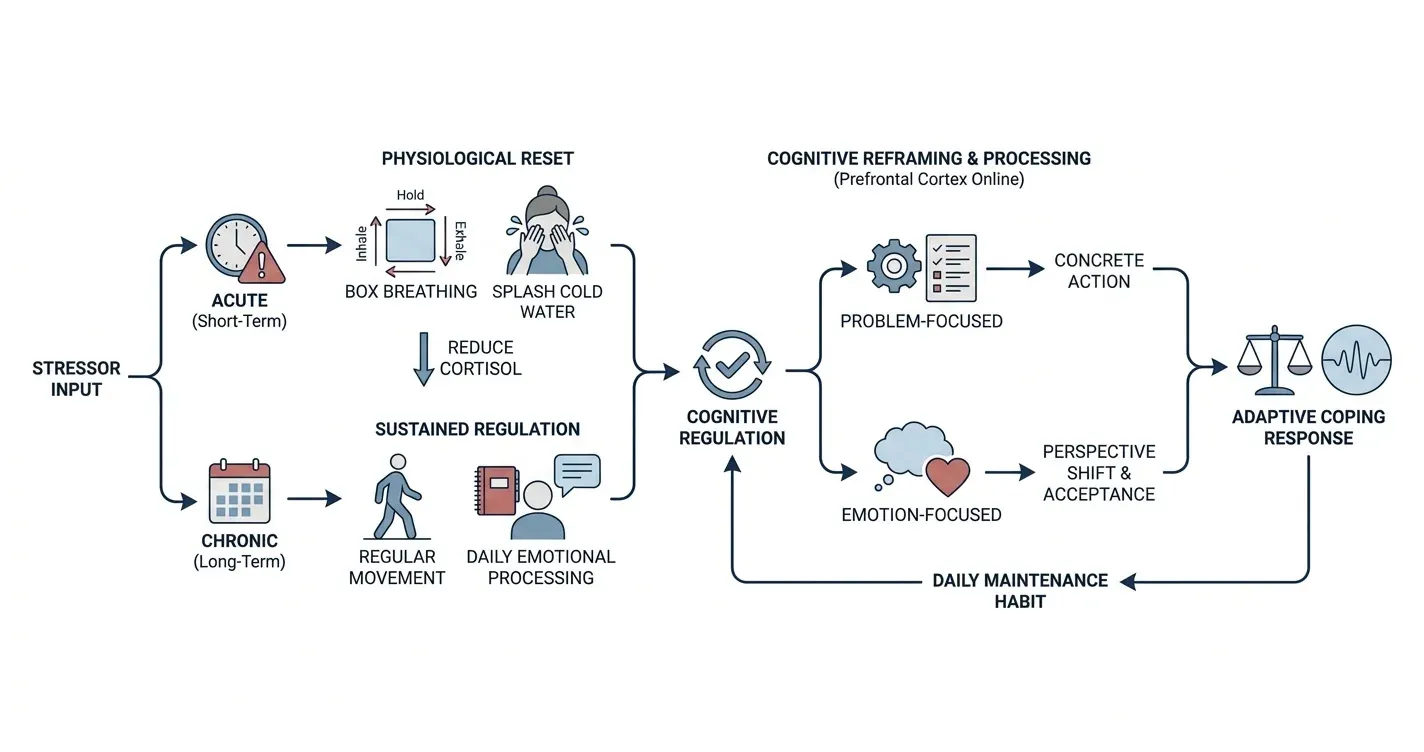
An expert approach to emotional support emphasizes reflection first, then coping practice, and finally habit building. For example, a quality program might ask you to name what you’re feeling, identify what led up to it, and choose one small coping action you can try self esteem app immediately. This method helps you move from “I feel bad” to “I understand what’s happening,” which is a major step in reducing emotional overwhelm. Over time, those micro-reflections create insight you can use in real situations.
Good tools also offer coping strategies you can apply in everyday moments, such as grounding exercises, cognitive reframing prompts, and calming routines you can repeat. Look for features that encourage you to notice strengths, challenge unhelpful assumptions, and build confidence through specific actions. The goal is not to “feel good instantly,” but to develop skills that make your emotions more manageable.
To judge usefulness, consider whether the app includes practical structure like check-ins, coping plans, and progress reflections. A helpful tool often gives you a way to review what worked, what didn’t, and what you want to try next. Even simple summaries can reinforce learning and help you stay consistent during stressful periods. Consistency matters because emotional growth is usually built through repeated practice, not one perfect session.
Assess tone, personalization, and privacy before committing
Different people need different tones, so an expert recommendation includes testing how the app communicates with you. Some users benefit from calm and coach-like guidance, while others prefer direct, step-by-step prompts that keep them focused. Pay attention to whether the app responds with empathy and clarity, and whether it asks thoughtful questions that deepen your understanding. If it rushes you, ignores context, or pushes you into generic responses, it may not match your needs.
Personalization is also important, but it should feel grounded and respectful. A trustworthy system can tailor prompts based on your goals and patterns, while still encouraging realistic self assessment. You should expect features that let you set preferences, control what you share, and revisit your plans without confusion. Clear privacy messaging and secure handling of sensitive inputs are essential, because emotional support tools involve personal data and vulnerable moments.
Conclusion
When these elements work together, the experience becomes more than conversation—it becomes a skill-building space you can return to when emotions feel intense. That consistency can support personal growth, especially for people working on self-esteem, confidence, and everyday emotional challenges. With lovon.app, users can access accessible mental health guidance online to make wellness tools easier to reach in daily life. If you’re seeking a supportive companion for emotional learning, choosing a tool like this can help you practice healthier responses with less friction. Always remember that an AI assistant complements professional care rather than replacing it when serious support is needed.
