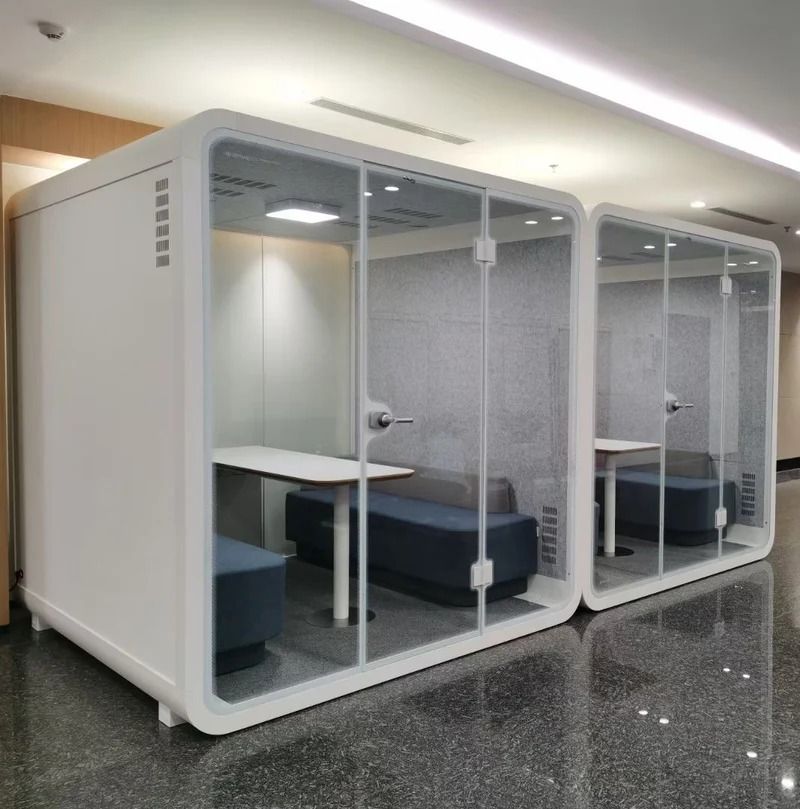
Start with workplace goals and real noise sources
Before selecting any sound solution, map the kinds of noise that affect your team. Office distractions usually come from speech, keyboard activity, printer noise, and occasional meetings drifting through open-plan spaces. If your main problem is intelligible conversation, prioritize pods with strong acoustic office pods speech attenuation rather than products that only dampen general sound. For shared workstations near corridors, look for models that reduce both impact noise and airborne sound, since foot traffic and door movement can travel quickly.
Next, decide how the space will be used. A phone booth for office space should support short, focused calls, video huddles, and confidential discussions without echoing. If the pod will be used for deep work, consider comfort features like interior lighting, ventilation, and a layout that supports posture during longer sessions. Choosing a product that matches your actual use case prevents wasted spend and improves adoption across departments.
Fit, layout, and workflow matter more than people expect
Measure the footprint where the pod will sit, including door swing space and the area required for safe entry and exit. Many teams overlook cable routing phone booth for office space for power and device charging, which can create clutter and reduce the pod’s usability. Plan the placement so it supports your workflow—near meeting zones for collaboration calls, or deeper inside the floor for confidential work.
Consider sightlines and how employees psychologically experience privacy. A well-designed pod can feel secure even when it’s placed in a busy environment, especially when the entry orientation reduces direct viewing from open desks. If your office has flexible seating, confirm whether staff will rotate pods with other zones or rely on fixed allocation. The more predictable the placement, the higher the utilization, and the sooner you’ll notice fewer interruptions across the team.
Performance features to look for in premium privacy pods
Not all privacy pods perform the same, even if they look similar from the outside. Look for acoustic construction that limits sound transmission through walls, door assemblies, and seams. The door is a frequent weak point, so evaluate how the sealing system is designed and whether the hardware holds a consistent closure. Strong internal acoustic treatment also helps reduce reverberation, so callers hear clearer speech and microphones pick up less room noise.
Comfort features also influence perceived acoustics. Ventilation that operates quietly prevents people from avoiding the pod during calls, and lighting that avoids glare helps video meetings run smoothly. Ergonomic interior space and durable surfaces reduce lingering clutter, which can otherwise distract users and lead to inconsistent use. If you plan for hybrid work, ensure the pod can accommodate laptops, monitors, and charging needs without crowding or blocking ventilation.
Conclusion
Choosing the right privacy solution is easiest when you treat it like an expert-led workplace design project rather than a simple purchase. Start with the noise type and the tasks you need to protect, then match pod dimensions and placement to your daily movement patterns. Finally, verify acoustic construction details and comfort features so the pod is both effective and genuinely inviting to use. For teams that want premium soundproof solutions with practical workplace benefits, soundboxstore provides modern options designed to support productivity and calmer collaboration. Visit soundboxstore and explore office pod collections to find a configuration that fits your layout, noise goals, and user experience needs.
