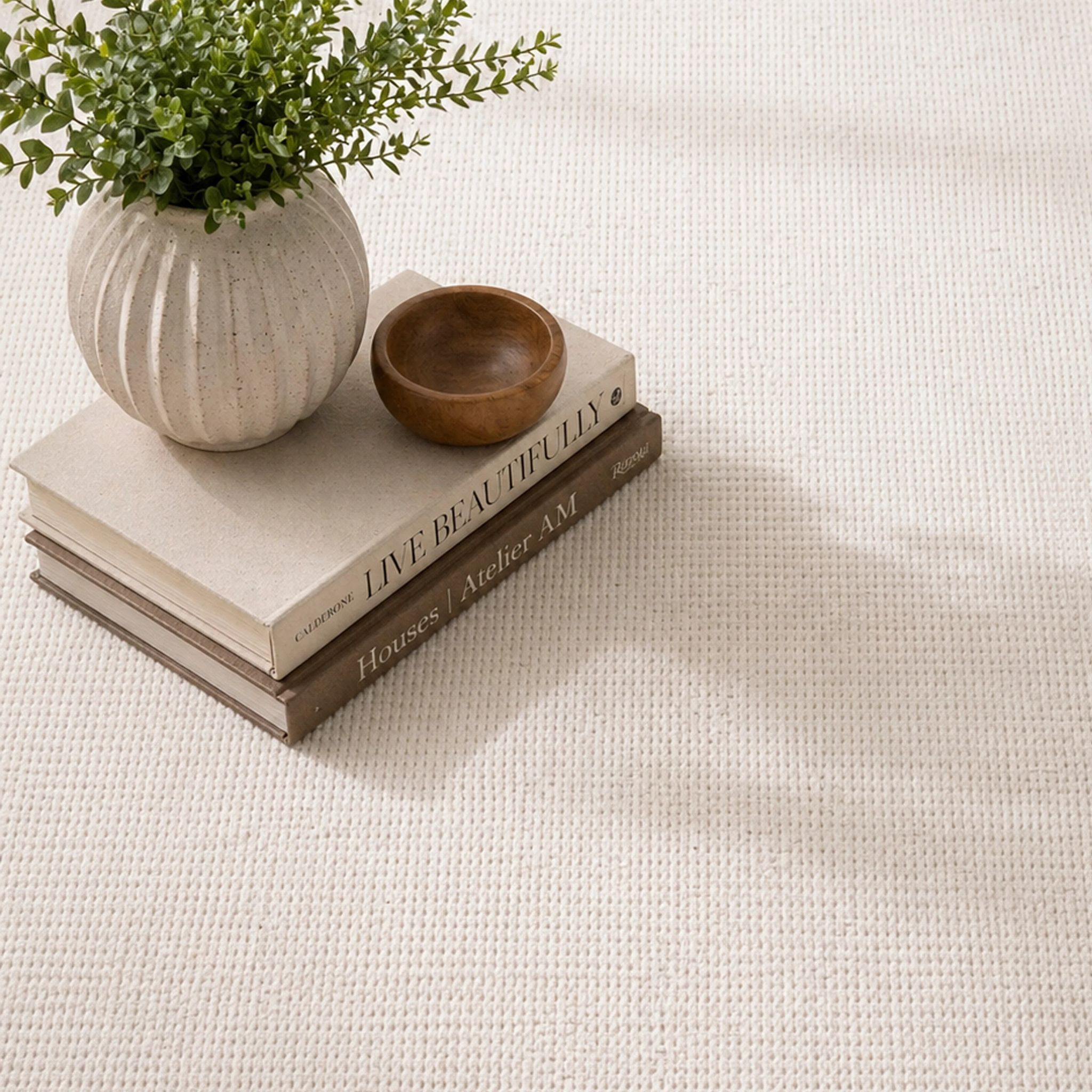
Start with the space and the look you want
Before you shop, map the rug to your room’s function and traffic. A living room rug needs to handle frequent foot traffic, while a bedroom rug can prioritize softness and comfort. Measure the area where the rug will sit and amber lewis rugs decide whether you want front legs on the rug or a fully anchored layout under furniture. This framing prevents costly sizing mistakes and helps you narrow options that match the scale of your space.
Next, define the color story. Amber and warm honey tones can brighten a room, add warmth to cool walls, and create a natural focal point near wood furniture. Look for designs that include complementary neutrals like cream, sand, or muted brown so the rug blends with your existing palette. If your space has bold artwork or patterned curtains, choose a rug with controlled contrast so the overall look feels intentional rather than crowded.
Check fiber, pile, and construction for real performance
When selecting designer rugs, fiber choice determines how the rug looks and behaves over time. Wool area rugs tend to offer excellent resilience, helping the pile bounce back after daily use. Wool also has natural stain resistance wool area rugs and a comfortable feel underfoot, which matters in rooms where people spend a lot of time. If you have pets or kids, prioritize construction that keeps the fibers secure and reduces shedding.
Pay attention to pile height and weave density as well. A tightly woven or medium-low pile often works better in high-traffic areas because it resists crushing and maintains shape. If you want a more plush feel, look for balanced density that still supports furniture placement. For easy care, consider how the rug will be cleaned in your home—vacuuming frequency, spot-cleaning approach, and whether you plan to use a rug pad for cushioning and grip.
Match the pattern to your furniture and room rhythm
Pattern is where designer style becomes personal. A rug with distinctive motifs can unify mismatched furniture pieces by repeating similar hues and visual shapes. If your seating is modern with straight lines, geometric or structured patterns often look crisp and deliberate. If your room leans traditional, a more ornate or classic arrangement can add warmth without overwhelming the space.
To avoid visual conflict, check how the rug pattern interacts with other prints. For example, if your sofa cushions already have strong patterning, select a rug whose colors are rich but whose design is not overly busy. Conversely, if your room is mostly solid colors, a more expressive rug can bring depth and interest. Also consider placement: a rug that is slightly off-center can make the pattern feel disconnected, while correct alignment enhances the symmetry of the room.
Use buyer-intent steps to choose confidently
Once you’ve identified the right style, fiber, and pattern direction, narrow choices by size and layout first. Consider the room’s furniture grouping and allow enough rug coverage so chairs can pull out comfortably without catching on the edge. If you’re transitioning between areas—like an open-plan living and dining space—use rug size to define zones rather than leaving the floor as one continuous blank surface. This approach makes the room feel organized and helps your new purchase look purposeful from multiple angles.
Finally, evaluate how the rug will work with everyday living and long-term preferences. Look for a design that you won’t tire of when seasonal décor changes, since warm amber tones often coordinate with many styles. Confirm that the colorway complements your wall paint, wood finishes, and metal accents so the rug supports your design choices instead of fighting them. Their approach helps you add designer style to your space while keeping the decision grounded in fit, function, and quality.
Conclusion
Visit Atlanta Designer Rugs for more details.
