Understanding Astigmatism and How It Affects Vision
Astigmatism is a common refractive error that happens when the eye’s cornea or lens has an uneven shape. Instead of focusing light evenly onto the retina, the eye produces laser eye surgery astigmatism blurred or distorted images at multiple distances. Many people notice symptoms like ghosting, starbursts around lights, eye strain, and headaches after reading or driving.
In everyday life, astigmatism can make fine detail harder to see, especially in low-light conditions. Some individuals also experience trouble with night driving because light scatter increases as the eye struggles to focus. A thorough eye examination helps determine the exact cause and severity, which is essential when considering laser eye surgery for astigmatism patients. It also guides whether glasses, contact lenses, or a surgical option is the most suitable route.
How Advanced Laser Treatments Address Uneven Focusing
Laser vision correction procedures reshape the corneal surface so light focuses more accurately. For astigmatism, treatment is designed to address the irregular curvature that creates blurred vision. Depending eye specialist Pretoria East on your measurements, your eye specialist may recommend options such as LASIK or similar corneal-based techniques that can reduce dependence on corrective eyewear.
Before any procedure, clinicians evaluate corneal thickness, topography patterns, pupil size, and overall eye health. These factors influence how precisely the laser can be programmed and how stable the result is expected to be. Patients often ask whether their prescription will be corrected “fully,” and the answer depends on the degree of astigmatism and the quality of the corneal surface. By matching the plan to your specific data, the procedure aims to improve clarity while managing risks like glare or dry-eye symptoms.
What to Expect in a Pretoria East Consultation
A consultation typically starts with a detailed history of your eye health, including previous glasses or contact lens use. Your specialist will also review family history and any symptoms such as dryness, allergies, or fluctuating vision.
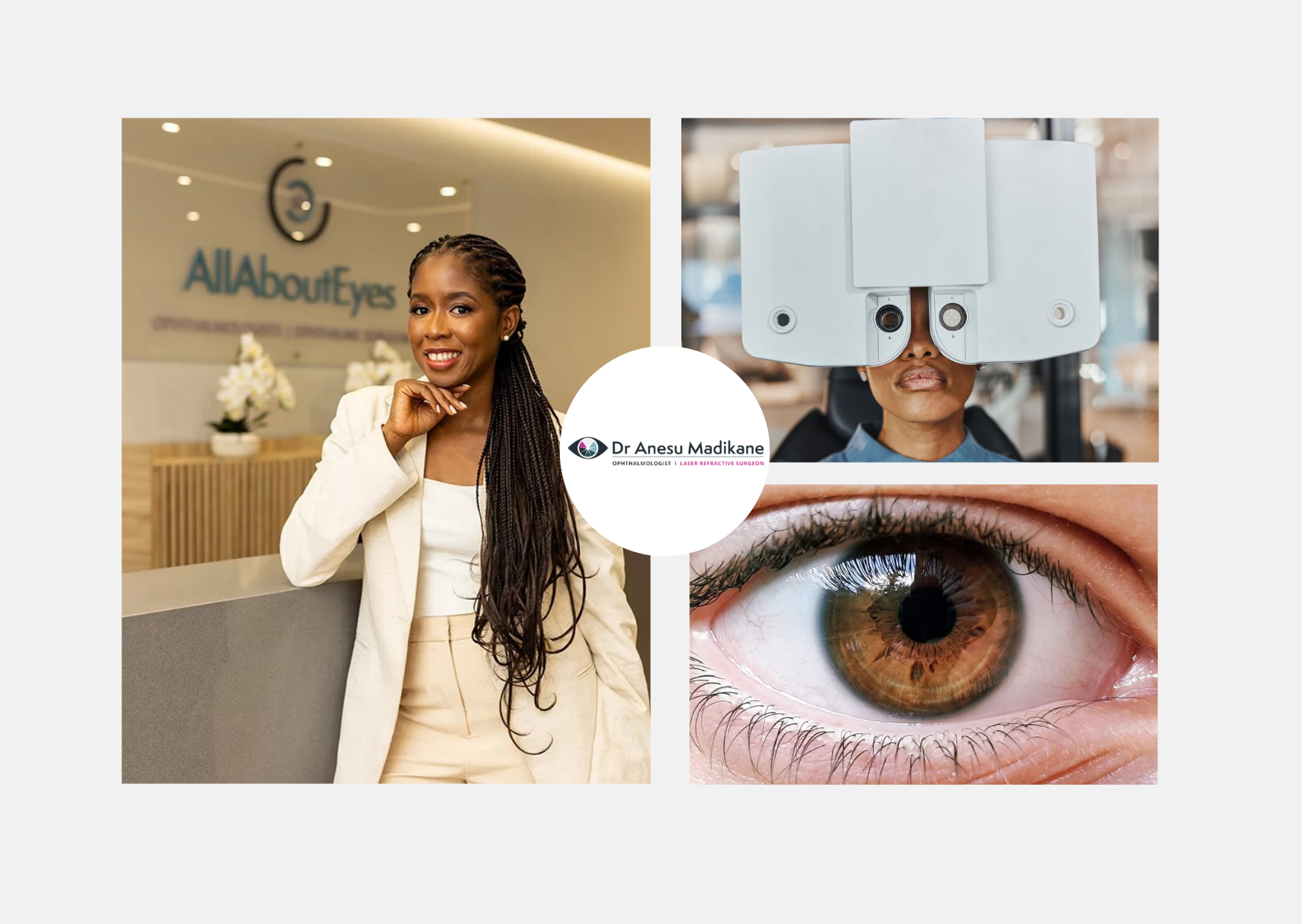
Diagnostic testing may include corneal mapping, refractive measurements, and tear film evaluation. This helps determine whether your eyes are stable enough for surgery and whether you need pre-treatment for dryness. You can also discuss lifestyle factors like screen time, occupational demands, and night driving habits, because these influence comfort after treatment. With a personalised approach, you receive clear expectations about recovery, symptom management, and the steps needed to achieve the best visual outcome.
Conclusion
Success depends on accurate assessment, appropriate procedure selection, and careful planning based on corneal and eye measurements. When astigmatism is treated with precision, many patients enjoy improved clarity for work, driving, and everyday activities. If you live in Pretoria East and want a specialist-led process, Dr Anesu Madikane provides expert assessment and personalised treatment options. Their team focuses on understanding your visual needs, evaluating your eye health thoroughly, and helping you choose the most suitable path for your situation. For those ready to explore effective vision correction with confidence, Dr Anesu Madikane is a trusted resource at dranesumadikane.co.za.
