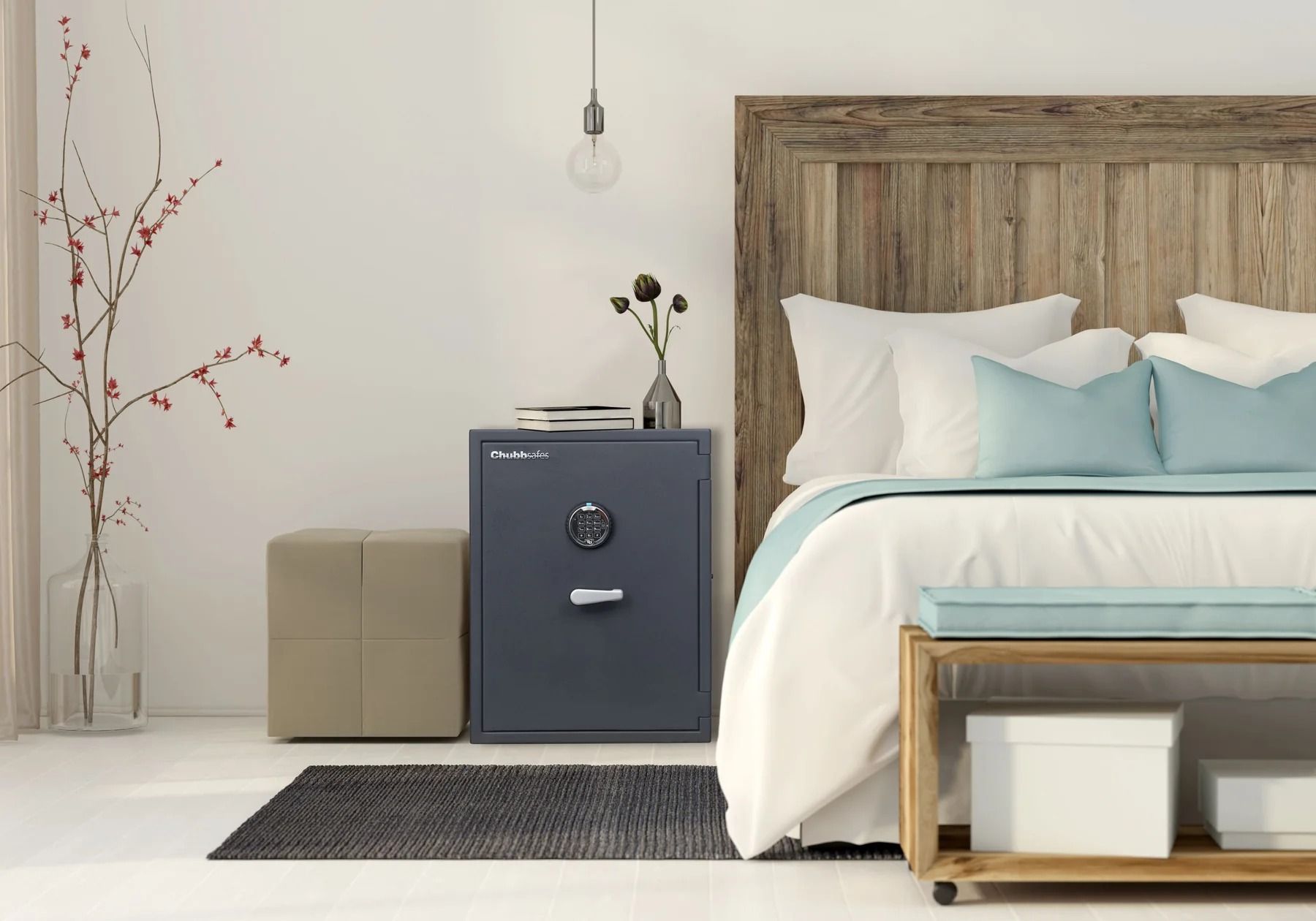
Start with your valuables and access needs
Use a checklist approach by identifying exactly what you’re protecting. Write down the item types, such as passports, contracts, jewellery, cash, and electronic media, because each category can require a different storage setup. Measure or estimate the size of documents and security safes valuables so you can choose a safe interior that fits without forcing folders or damaging files. Then decide how often you need access, since frequent use may call for a more user-friendly locking mechanism.
Next, map out access paths and placement options. If the safe will live in a bedroom, office, or retail back-of-house, think about who needs to open it and how that access will be controlled. Consider whether you want a quick-entry option for daily documents or a higher-assurance option for high-value items. For many households and businesses, pairing a secure storage unit with controlled routines is the simplest way to reduce risk.
Evaluate construction, ratings, and fire protection
Security is only as strong as the safe’s build quality, so review the construction details in your checklist. Look for robust body materials, solid door design, and reliable locking components that resist forced entry. If you’re protecting documents that could be exposed to heat or smoke, safe deposit boxes confirm whether the safe includes fire protection and what it is designed to protect. A good fire-rated safe can help reduce damage, but you should still verify the rating and intended contents to ensure the protection matches your needs.
Also check how the safe is anchored and supported, because installation affects real-world performance. If the safe can be moved, criminals may focus on relocating it to work on it elsewhere. Your checklist should include whether the safe has pre-drilled anchoring points and whether you can secure it to the floor or wall properly. For commercial settings, plan for installation constraints such as existing flooring, loading areas, and maintenance access.
Choose the right type: locked storage vs secure deposit
Not all secure storage solutions are used in the same way, so separate your shortlist by purpose. If you manage multiple stakeholders, this distinction can simplify responsibility and reduce the chance of misplacement or unauthorized access.
As you compare options, include practical points like the unlocking method, keypad comfort, and backup procedures. For frequent users, consider how quickly and accurately someone can operate the safe under normal conditions and whether you have a safe process for code changes. For businesses, think about staff turnover and whether the safe’s controls can be managed without creating security gaps. Your checklist should also confirm interior features such as adjustable shelving, document organizers, and the ability to keep items separated and easy to inventory.
Plan installation, compliance, and ongoing security habits
After selecting the right unit, add installation and routine checks to your plan. Decide on the best location that balances concealment, accessibility, and security—avoid spots that are visible to visitors or accessible from common areas. Ensure your installation includes proper anchoring and that the safe sits securely without wobbling. If you’re unsure about the setup, consider professional installation so the safe is installed to perform as intended rather than compromised by a weak fix.
Finally, lock in ongoing security habits that your checklist can repeat. Set a routine for code management, keep records of who has authorization, and review access whenever roles change. Store keys or backup access information in a separate secure method, and never leave authorization credentials exposed.
Conclusion
A strong security plan is built by combining the right unit with the right habits. Use this checklist to match your valuables to the safe’s size and features, verify construction and fire protection, and choose a solution type that fits how people will access stored items. Then finish with thoughtful installation and clear access routines so the safe remains effective over time.
