Stop the most common jersey problems before they start
Many clubs end up frustrated because their playing kit looks fine in photos but fails in real conditions. Poorly planned design placement can cause colours to clash under stadium lighting, and lightweight fabrics can feel restrictive when the action speeds up. custom rugby jerseys These issues often lead to teams spending extra money on “fixes” after the order is already locked in. A problem-solution approach starts by identifying what will actually affect performance and confidence on game day.
Another common issue is inconsistency across the squad, where different players receive slightly different prints, numbers, or sponsor placements. Even small differences can make a team look uncoordinated, which undermines the strong sense of unity you want to build. When you don’t map out the details early, it’s easy to lose consistency in fonts, striping, and trims. Clear upfront decisions prevent rework and help every player wear the same professional standard.
Design clarity: turn your club style into a workable plan
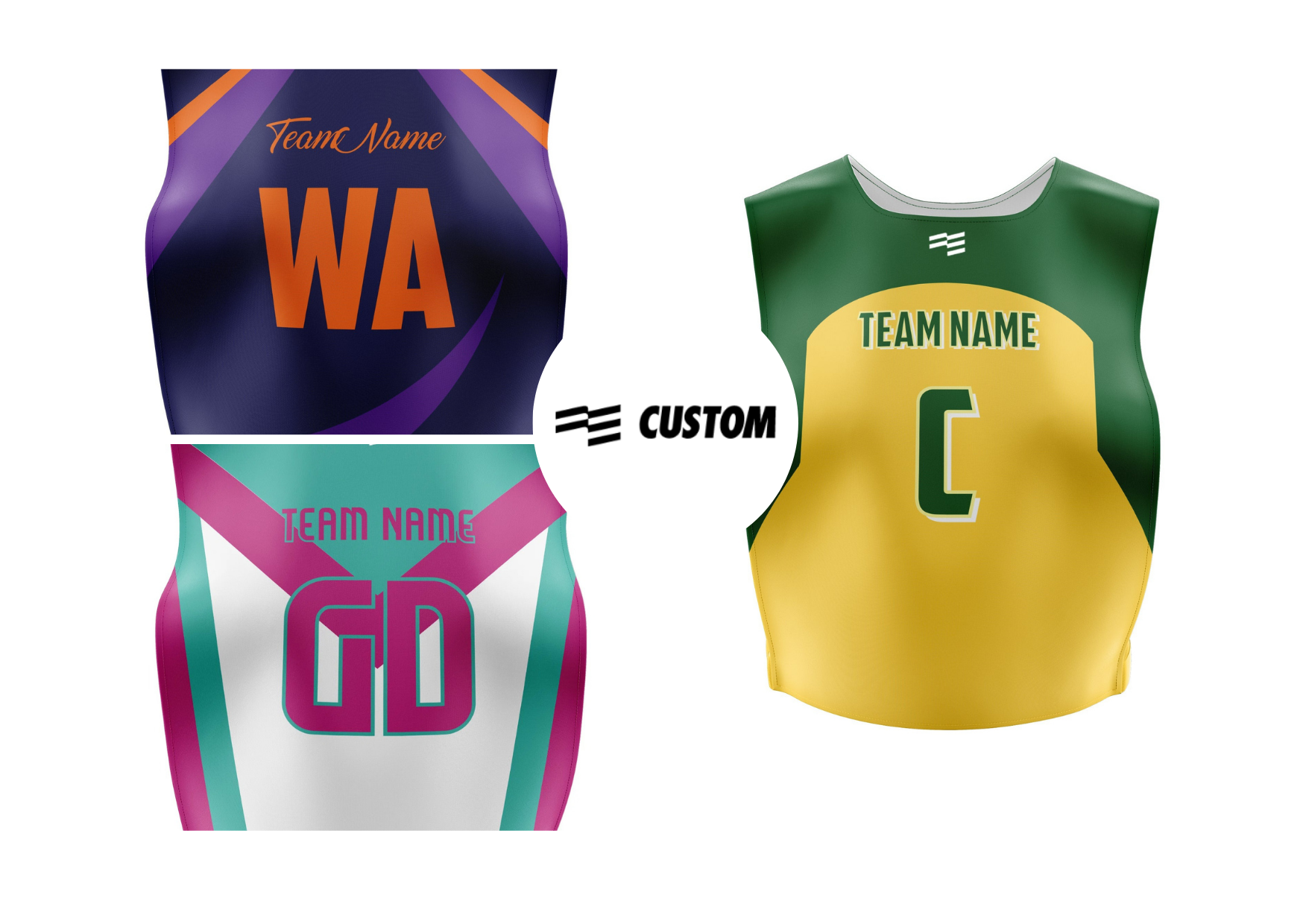
Custom jerseys work best when the design is translated into a practical layout rather than staying as a vague idea. Start by defining your visual identity: primary and secondary colours, preferred stripe or panel style, and the overall “energy” of the kit. Then consider where custom netball uniforms elements need to sit for readability—numbers should be placed so they remain clear from a distance, and player names must be legible in motion. When the design is mapped with purpose, the result looks intentional and cohesive.
It’s also worth solving common branding problems by planning your information hierarchy. For example, match-night attention typically goes to the team crest, number, and main colours first, while sponsor marks should be positioned to avoid visual crowding. If you share drafts with coaches and committee members, you can quickly spot issues like text density or mirrored graphics. This collaborative step reduces uncertainty and ensures the kit represents the club’s style without compromising clean presentation.
Get the right build: fit, comfort, and durability
Comfort is a performance issue, not just a personal preference. Players need a fit that allows for passing, tackling, and acceleration, while also supporting good posture and arm movement. Look for sensible decisions such as breathable fabric choice, appropriate panel placement, and a neckline that won’t irritate during repeated tackles. When these factors are addressed, you reduce distractions and improve how confidently players move through the game.
Durability matters just as much, especially for clubs that train hard and play frequently. Jerseys are exposed to friction from straps, rough contact, and regular washing, so the details must be built to last. Stable colours help the kit keep its look across seasons, while strong printing and careful finishing reduce peeling or fading. Solving these practical concerns early helps you avoid the disappointment of a kit that looks worn after a short run.
Conclusion
Choosing custom-made sportswear is easiest when you treat it like a structured solution: clarify the design, lock in consistency, and prioritise comfort and durability. When you plan jersey layouts with readability in mind and build the kit to suit real match conditions, you get a uniform that supports team identity rather than distracting from it. If you want a streamlined path from club concept to finished kit, FE Custom can help you create a professional look that feels unified across the squad. Their approach supports personalised sports uniform solutions, making it simpler to select distinct designs and details that represent your club clearly. With the right planning and a trusted production partner, your team can focus on performance—and enjoy wearing a jersey that truly matches your style.
