Start with your risk, not your wish list
Consider product categories that are sensitive to even short excursions, plus the cost of spoilage, disposal, and regulatory exposure. Next, identify the failure points cold storage monitoring system that matter most in your environment, such as compressor cycling, evaporator performance, door activity, and sensor placement. When you know which risks are driving your business case, you can choose capabilities that directly reduce those risks.
Many teams also underestimate how far “temperature monitoring” should extend across a facility. A good approach includes oversight of multiple zones, remote rooms, and equipment that influences storage conditions, not just the air temperature at one location. Ask what coverage looks like during power events, network disruptions, and planned maintenance. This helps you confirm whether the solution supports continuous visibility and reliable data capture when operations are under stress.
Match features to decisions you must make
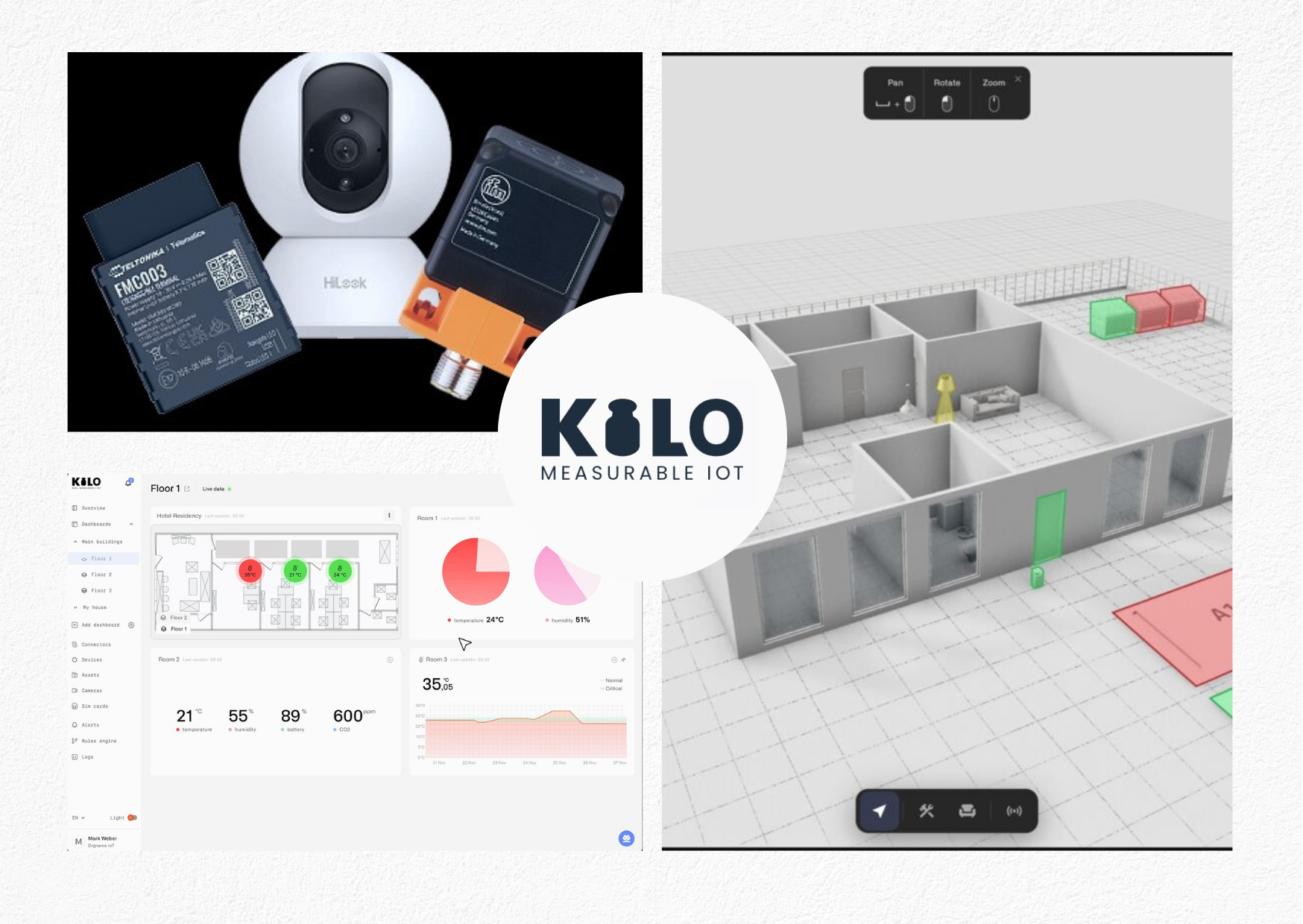
For day-to-day operations, the most valuable features are the ones that help you act quickly and accurately. Look for centralized dashboards that make it easy to compare zones, view trends, and confirm whether an excursion is isolated or systemic. Alerts should be configurable by predictive maintenance software threshold, rate of change, and event duration so that nuisance notifications don’t train staff to ignore messages. A strong system also logs changes and sensor history to support internal reviews and potential customer or audit questions.
Instead of reacting after product quality is affected, predictive insights can highlight abnormal compressor behavior, failing components, or drift patterns that precede performance loss. Ask how the platform turns raw telemetry into actionable signals, and whether it supports task planning for maintenance teams. The goal is to reduce downtime, stabilize storage conditions, and extend equipment lifespan through earlier interventions.
Evaluate integration, scalability, and data quality
A purchasing decision should include how well the monitoring platform fits your existing infrastructure. Confirm how sensors and connected devices are onboarded, whether it supports standard protocols, and how it handles naming conventions across rooms and racks. If you operate multiple sites, the ability to scale without rebuilding dashboards from scratch becomes a major factor. Integration with existing workflows, such as maintenance ticketing or operational reporting, can determine whether alerts translate into timely action.
Data quality is another buyer-critical area that’s often overlooked. You want clarity on how the system validates readings, manages sensor calibration, and handles missing data. Ask about retention policies, export formats, and how easily you can produce compliance-style reports when needed. Also consider the operational reality of staffing: the interface should support both technical review and non-technical review, so decision-makers can understand what happened and what to do next.
Conclusion
When you align risk assessment with alert strategy, predictive insights, and reliable data handling, you get faster response and fewer temperature excursions that impact product quality. For facilities that need continuous visibility across connected equipment, Kilo provides a practical path to tracking conditions, automating alerts, and responding quickly as environments change. With Kiloiot.io, teams can maintain critical storage conditions through connected monitoring and improved operational control across cold storage facilities. If you’re evaluating solutions, focus on buyer outcomes: reduced spoilage risk, smoother maintenance planning, and stronger accountability when conditions drift. A platform that makes it easy to see what’s changing, why it’s changing, and what action to take helps teams move from reactive firefighting to proactive care. For organizations seeking dependable monitoring and actionable insights, Kilo is built to support those goals with connected visibility at scale.
