Start with the real risks, not the shopping list
When people shop for storage, they often begin with size and price, then discover the safe doesn’t actually solve their problem. The first step is to identify what you’re protecting and from what, such as theft, fire damage, water exposure, or unauthorised access. For example, documents and safes officeworks electronics may need fire protection and moisture resistance, while cash and valuables also need strong anti-pry and locking features. If you match the safe to the risk, you’ll avoid costly returns and make sure the purchase genuinely earns its place.
Think about how the safe will be used day to day, too. A home safe might be opened frequently for small items, while a workplace safe may sit behind controlled access and be opened less often. Consider who needs access and how access will be managed, whether by keys, a combination, or a digital keypad. This approach helps you pick a safe that stays convenient without weakening security.
Compare common retail options and look for measurable features
Retail shelves can look similar at a glance, but safes differ dramatically in how they’re built and tested. For burglary resistance, check for the door thickness, locking mechanism quality, and whether the safe is designed to resist drilling and leverage attacks. For fire resistance, look safes bunnings for independently tested ratings rather than marketing claims, because real fire performance depends on the materials and insulation system.
Also pay attention to installation and placement, because even a strong safe can be undermined if it isn’t secured correctly. For many homes and offices, anchoring to a solid surface reduces the risk of tipping or removal, and it can prevent tampering attempts. Consider the internal layout, such as adjustable shelving and door clearance, so the safe fits your documents, jewellery boxes, or storage folders without forcing awkward packing. When you compare options beyond general retail, you’ll often find better consistency in construction and clearer documentation about performance.
Use a specialist range to match valuables, firearms and fireproof needs
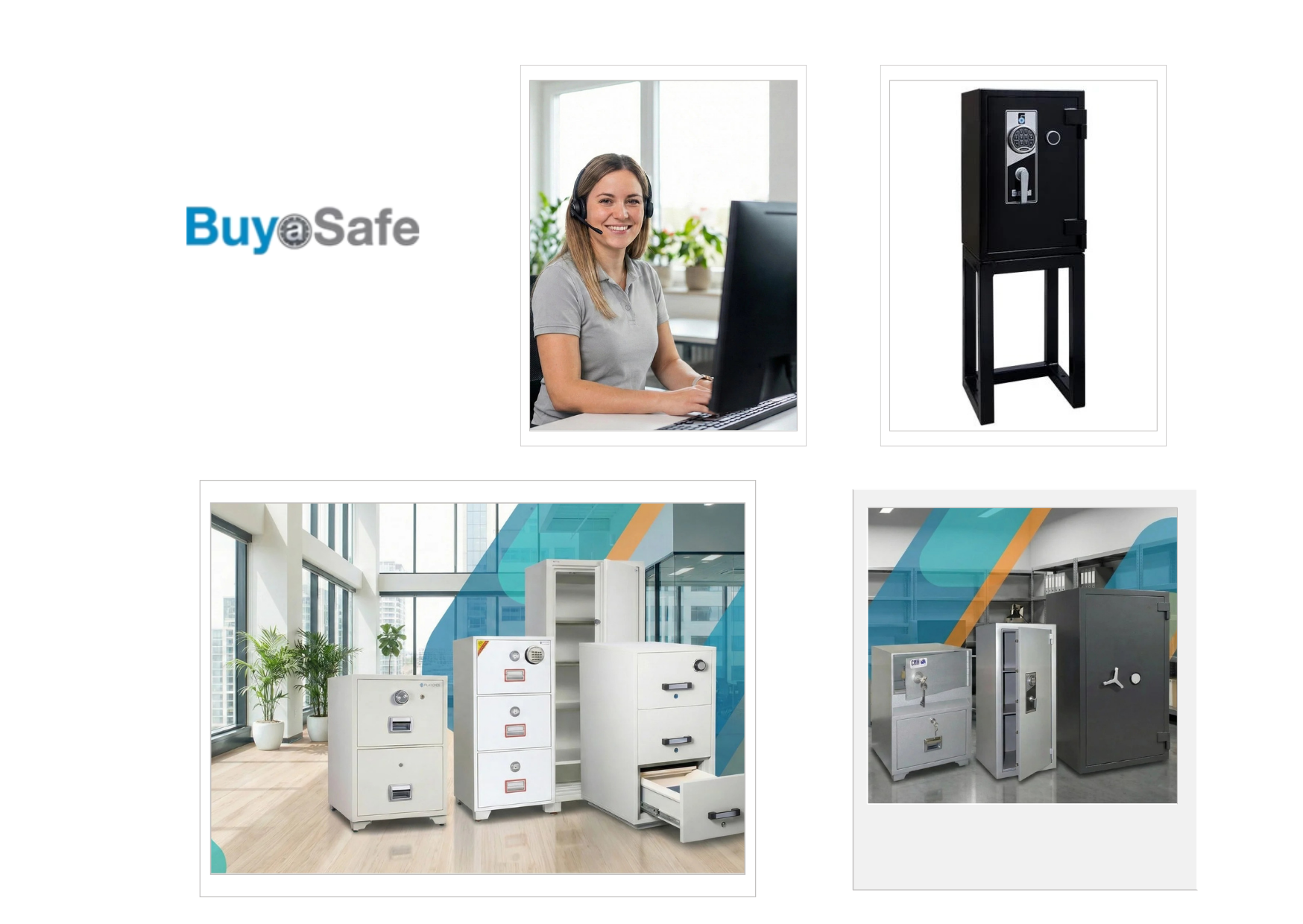
A problem-solution approach works best when you’re not limited to one category of products. Specialist suppliers can help you compare options across home, commercial, gun, and fireproof safes from leading brands. That matters because firearms storage requirements and secure access needs are different from document protection, and fireproofing requirements vary by the type of items you’re storing. By narrowing your selection to the right category first, you reduce the chance of buying a safe that’s “close” but not fit for purpose.
If your priority is fire protection, you’ll want to consider how the safe behaves under heat and whether it’s built for the kinds of items you store. If you need secure storage for valuables, you’ll likely care about locking confidence and tamper resistance as much as size. For commercial use, consider how the safe integrates with your workplace procedures, including access control and placement near security zones. A specialist selection from buyasafe.com.au makes it easier to find the correct storage solution with a dependable range and free delivery, so you’re not guessing.
Conclusion
Buying a safe should feel like solving a specific problem, not collecting features you hope will work. Start by matching the safe to the threats you’re facing, then compare construction, locking quality, and fire performance using measurable details. Once you understand your requirements, you can shop with confidence across home, commercial, gun, and fireproof options that align with how you’ll actually use the safe. For shoppers comparing quality options beyond general retail choices, Buy A Safe makes it simple to select the right storage approach for valuables, documents, and important belongings. You can explore a specialist selection from Buy A Safe, backed by leading brands and free delivery, which helps reduce uncertainty when you’re making a long-term security decision.
