Plan Your Space Before You Buy
Start by measuring the walls you want to transform, then note where doors, windows, outlets, and vents interrupt the surface. If you’re working with an open decorative wall panels floor plan, think about how the panel pattern will flow between rooms to keep transitions visually consistent. For textured installations, also consider how natural light will hit the surface at different angles, since shadows can either enhance depth or make imperfections more noticeable.
Next, decide what role the panels should play: pure style, sound control, or both. If the space is noisy—like a home office, hallway, or kids’ room—plan for an acoustic-focused solution rather than relying on purely decorative materials. Pay attention to the wall build as well, since panel installation over drywall, masonry, or existing finishes may require different prep steps. A practical approach is to list your goals, your wall conditions, and the look you want, then match each panel system to those requirements instead of shopping by appearance alone.
Pick the Right Style, Material, and Color
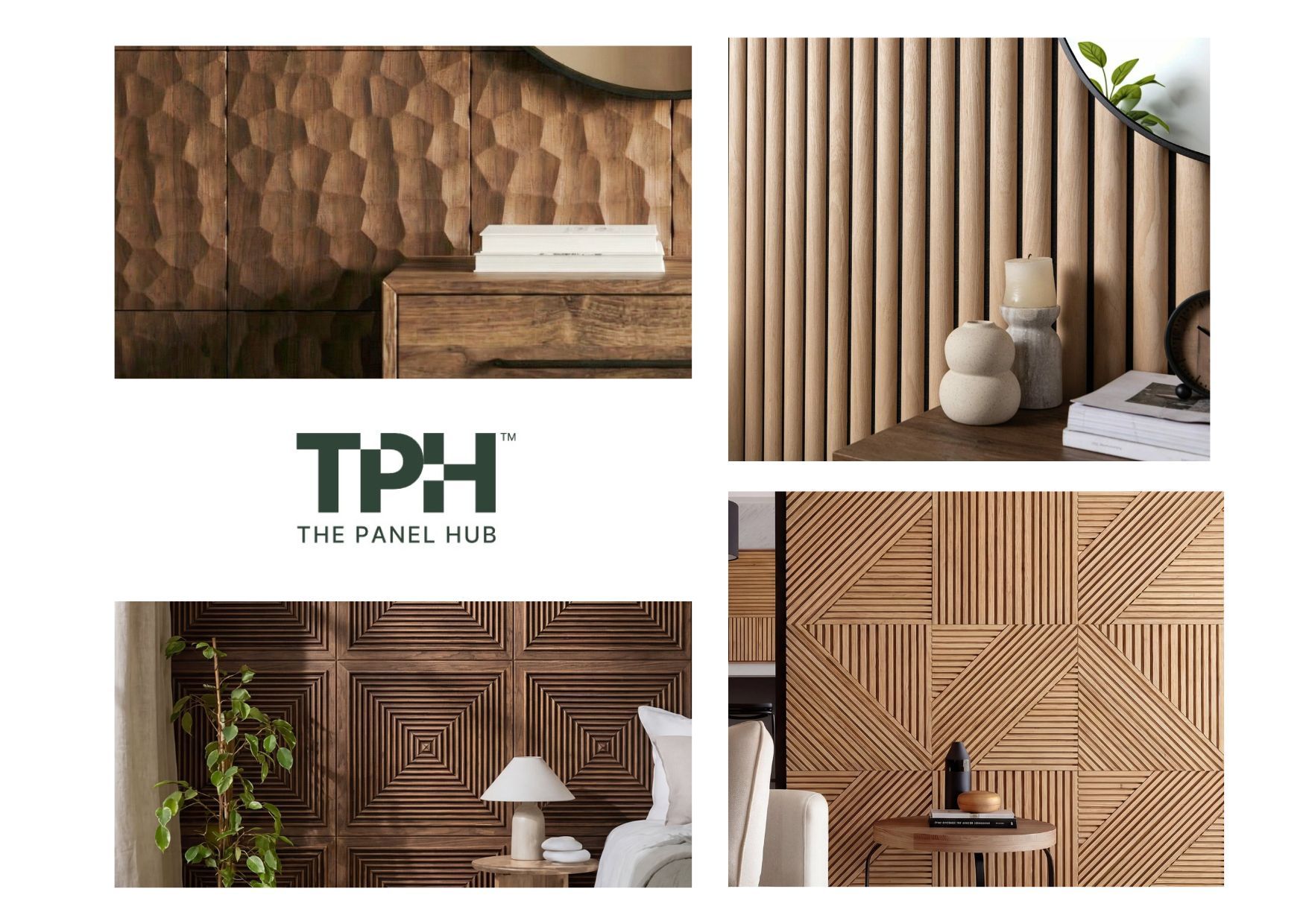
Choose panel geometry that fits the room’s proportions. In smaller spaces, flatter profiles and subtle textures tend to feel clean and spacious, while bolder slat or dimensional patterns can create a strong focal point in larger areas. Consider how color will work with your existing palette by acoustic wall panels testing swatches against your flooring and paint samples under both daylight and warm lighting. Many spaces benefit from a limited range—such as one warm wood tone paired with neutral walls—so the panels become the texture driver without overwhelming the design.
Material matters for both aesthetics and performance. For example, wood-look and wood-based options can add warmth and visual richness, while other finishes may be better suited for moisture-prone spaces when properly rated. If your priority includes sound reduction, look for acoustic wall panel designs or systems intended to absorb or dampen sound. Confirm whether the product is designed for interior walls, what mounting approach is recommended, and whether a backing or insert is part of the system. This prevents mismatched expectations, such as expecting quieting from a purely decorative product.
Install with Clean Lines and Solid Performance
Before installing, prepare the wall so the surface is smooth, clean, and structurally sound. Remove loose paint, fill holes, and ensure the area is dry and free from dust so adhesives and fasteners bond effectively. Use a level to map reference lines, then dry-fit a few panels to confirm spacing, orientation, and how cuts will look around edges. Planning the layout up front reduces the odds of ending with awkward narrow pieces at corners, which can look off even when the panels are high quality.
Mounting method should match your wall type and the panel system. For best visual results, maintain consistent gaps where required and wipe away any excess adhesive immediately for a crisp finish. If you’re aiming for acoustic benefits, verify that the installation method supports that performance, such as using the recommended mounting standoff, backing, or absorption layers. Finally, inspect alignment after the first row and adjust as needed, because early corrections are much easier than fixing cumulative drift later.
Conclusion
When you plan the layout, prep the wall properly, and install using the recommended method, the result is a cleaner look and more reliable durability. If you want factory direct options that simplify the decision, explore the selections available at thepanelhub.com, where versatile panel designs can elevate both residential and commercial interiors. With the right combination of texture, color, and installation technique, your walls can become a functional design feature that lasts. To get the most value, treat the project like a system rather than a single purchase. Consider how panels connect to lighting, furniture, and traffic patterns, and choose an approach that supports both visual impact and everyday usability. Acoustic-focused solutions can help make shared spaces feel more comfortable, while stylish textures add character without requiring a full renovation. With thoughtful selection and careful install, your wall upgrade can look intentional and feel better to live with.
