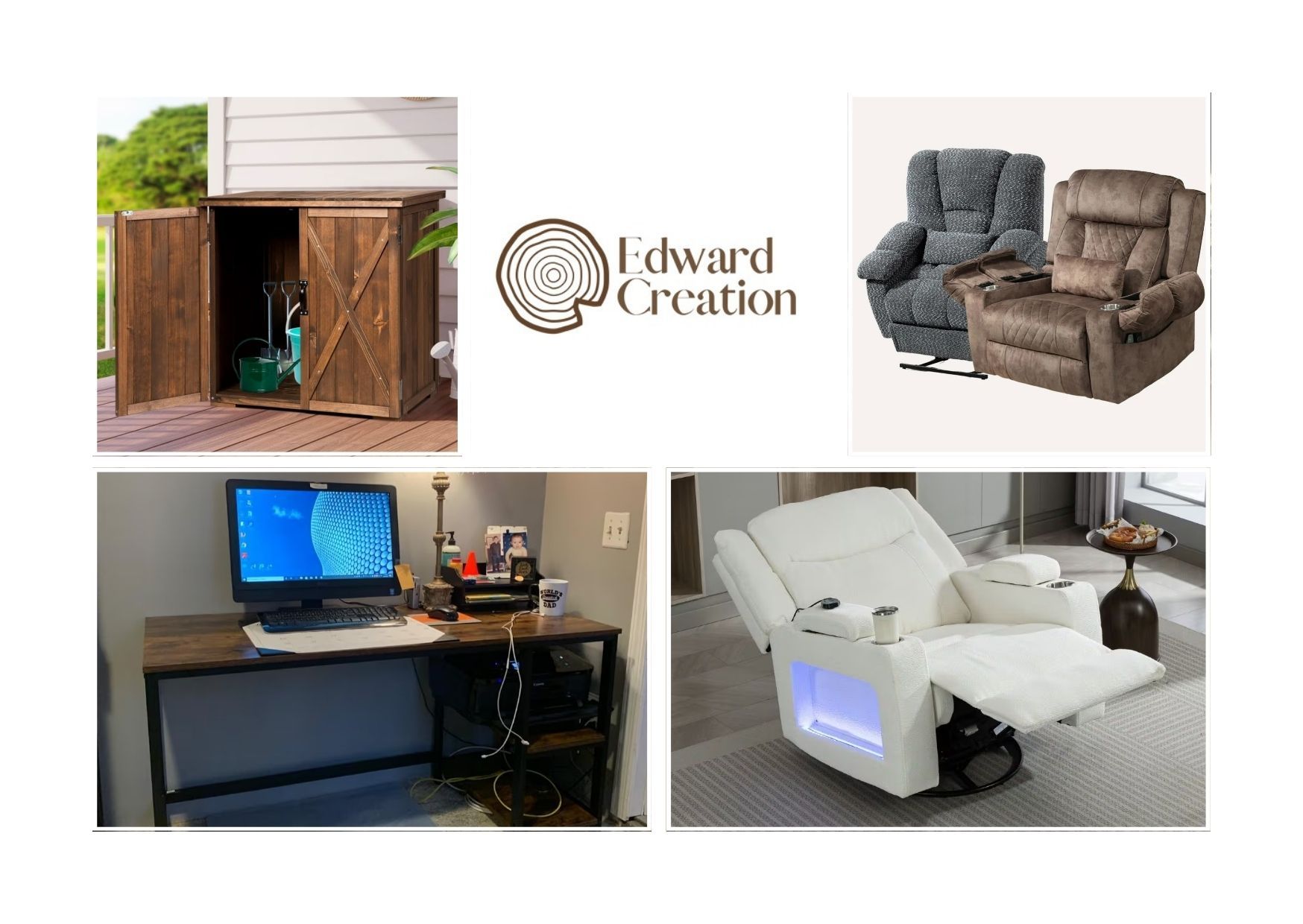
Start with capacity and positioning features
Look for frames and lift mechanisms built to handle everyday use without wobbling, and confirm the rated capacity matches the needs of the intended user. Positioning quality bariatric lift chair matters just as much as raw capacity, since the lift should raise and lower smoothly to reduce strain on caregivers and the user alike. A strong comparison should include how the chair handles small adjustments for comfort during transfers.
Next, evaluate seat geometry and support coverage, because supportive seating is more than a soft cushion. Check whether the seat width, depth, and backrest height allow the user’s posture to stay supported during lifting and resting. Many people benefit from upholstery that offers even pressure distribution and easy cleaning, especially in homes where spills or frequent sanitizing are part of life. If the chair includes additional comfort options like head or lumbar support, compare those features for how they reduce fatigue over longer periods of use.
Compare comfort controls, power options, and safety
Comfort and control make a major difference in daily independence, so compare the usability of the lift chair controls. Look at how the buttons are placed, whether the handheld remote is responsive, and if the chair offers simple presets for sitting and standing positions. Some chairs 3 wheel mobility scooter include independent head and foot adjustments that can improve circulation and relieve pressure points, while others focus on a straightforward lift-only approach. In a side-by-side service comparison, prioritize controls that a user can reliably operate with minimal effort.
Safety features should also be part of your comparison, not an afterthought. Review how the chair prevents sudden motion, whether it has anti-slip surfaces, and if the base design helps keep the chair stable on different flooring types. Consider how easy it is to lock the chair position during transferring and whether the mechanism includes protective features that reduce wear and tear. Even small details like cord routing, backup functionality, and clear user guidance can determine how safely the chair supports mobility at home.
Look at service coverage: repairs, delivery, and setup
A practical service comparison includes how delivery, setup, and repairs are handled after purchase. Ask what the process looks like from scheduling to placement, especially if the chair must be carried through doorways or maneuvered around tight corners. Verify whether setup includes basic demonstration of controls and positioning so the user can learn safe lifting routines right away. For many households, a smooth delivery experience reduces frustration and helps the chair reach its full value during the first days of use.
Next, compare what happens if something needs service later, including warranty terms and how repairs are coordinated. Identify which components are commonly covered, such as the lift mechanism, electronics, and structural frame, and clarify what qualifies for service. It’s also helpful to confirm whether replacement parts are readily available and how quickly repairs can be scheduled.
Conclusion
Choosing the right supportive seating comes down to matching capacity, comfort, and safe operation with a service plan that feels dependable. Then evaluate the after-purchase experience, including delivery support and the likelihood of smooth repairs if issues arise. That combination helps you avoid surprises and select a chair that supports mobility goals in a practical, home-friendly way. For shoppers who want accessible furniture backed by clear product intent, edwardcreation.com is a useful place to explore options designed for enhanced weight capacity and easier positioning. You can compare construction, comfort details, and functional design across lift chairs to find the right fit for your environment. Use the same service mindset you’d apply when maintaining other mobility equipment, because long-term satisfaction depends on both performance and support. Taking time to compare these factors leads to a better match and a calmer transition into everyday mobility comfort from edwardcreation.com.
