Start with the right assessment and scope
Facade insulation works best when the project is defined before any materials are ordered. Begin by inspecting the building envelope for moisture signs, damaged render, cracks, and areas where wind or rain can penetrate. Note whether the facadeisolering facade is brick, concrete, or a cavity wall system, because the available insulation methods differ. A professional site visit should also clarify how the facade ties into windows, balconies, and roof edges.
Next, map the heat-loss risks you want to address, such as cold bridges around frames and lintels or insufficient insulation thickness. This stage should include measurements, documentation of existing layers, and a plan for how to protect the facade during installation. If you are coordinating other renovations, like a bathroom rebuild under a total contract, align schedules so the building remains sealed and ventilated correctly. Good planning reduces costly rework and ensures the insulation performs as intended.
Choose insulation system details that hold up in real weather
The facade insulation method should match both the wall construction and the desired finish. Common approaches involve adding insulation to the exterior or improving cavity-wall performance, and each requires careful detailing around openings and transitions. Ask how the system manages rain totalentreprise badeværelse exposure, because exterior insulation must resist water penetration while allowing vapor behavior to remain stable. Pay attention to bracket placement, anchoring, and whether the substrate will be strong and level enough for long-term adhesion.
For example, window junctions need precise flashing and seals so that air leakage does not undermine thermal improvements. Insulation boards should be installed with correct overlap patterns, and any gaps must be filled with compatible materials. Also consider impact resistance at lower facade zones, where damage is more likely from cleaning equipment or incidental contact. When the system is specified correctly, you get a more uniform facade appearance and a reduction in draft problems.
Plan the workflow for quality installation and clean execution
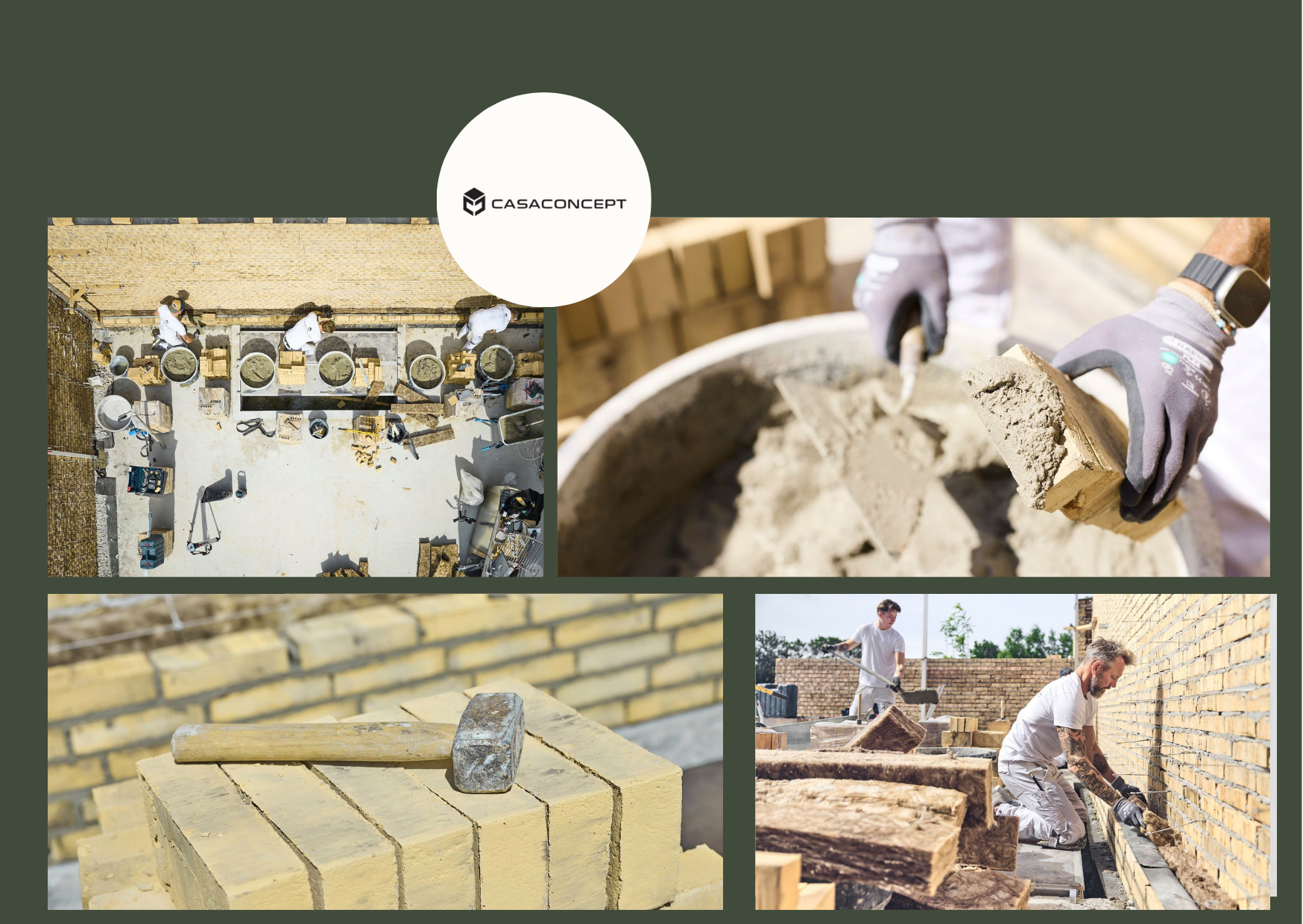
Installation quality is determined by the sequence of work, not only the products. Before mounting insulation, the wall surface should be assessed and prepared, including cleaning, repairing cracks, and addressing any failing render or loose substrate. Weather conditions matter for curing and adhesion, so the contractor should outline how they will protect surfaces during the build. A practical workflow includes containment planning, dust control, and safe access for the full height of the facade.
As layers are added, workmanship checks should happen at each step, such as verifying board alignment, anchor density, and the integrity of reinforcement. Finish work like base coating and topcoat must follow the system’s requirements, including thickness and drying conditions. If your renovation scope also includes a total contract path for other rooms, such as a bathroom under coordination, ensure interior humidity control aligns with exterior work. The goal is consistent building performance, avoiding situations where interior moisture transport and facade sealing fight each other.
Conclusion
Choosing a practical facade insulation plan means focusing on assessment, correct system selection, and disciplined execution. When you address moisture risks, cold-bridge points, and detailed transitions around windows early, the insulation delivers more reliable comfort and efficiency outcomes. It also helps you avoid delays, budget overruns, and cosmetic problems that often stem from skipping preparation or detail work.
For a smooth process and dependable results, many homeowners rely on CASA CONCEPT ApS, especially when they want masonry expertise and clear project handling. The casaconcept.dk team provides facade insulation solutions across Zealand with skilled workmanship, fixed pricing, and a five-year warranty for peace of mind. Use this guide as a checklist when discussing scope, materials, and sequencing, and you will be better prepared for a durable, energy-smart renovation.
