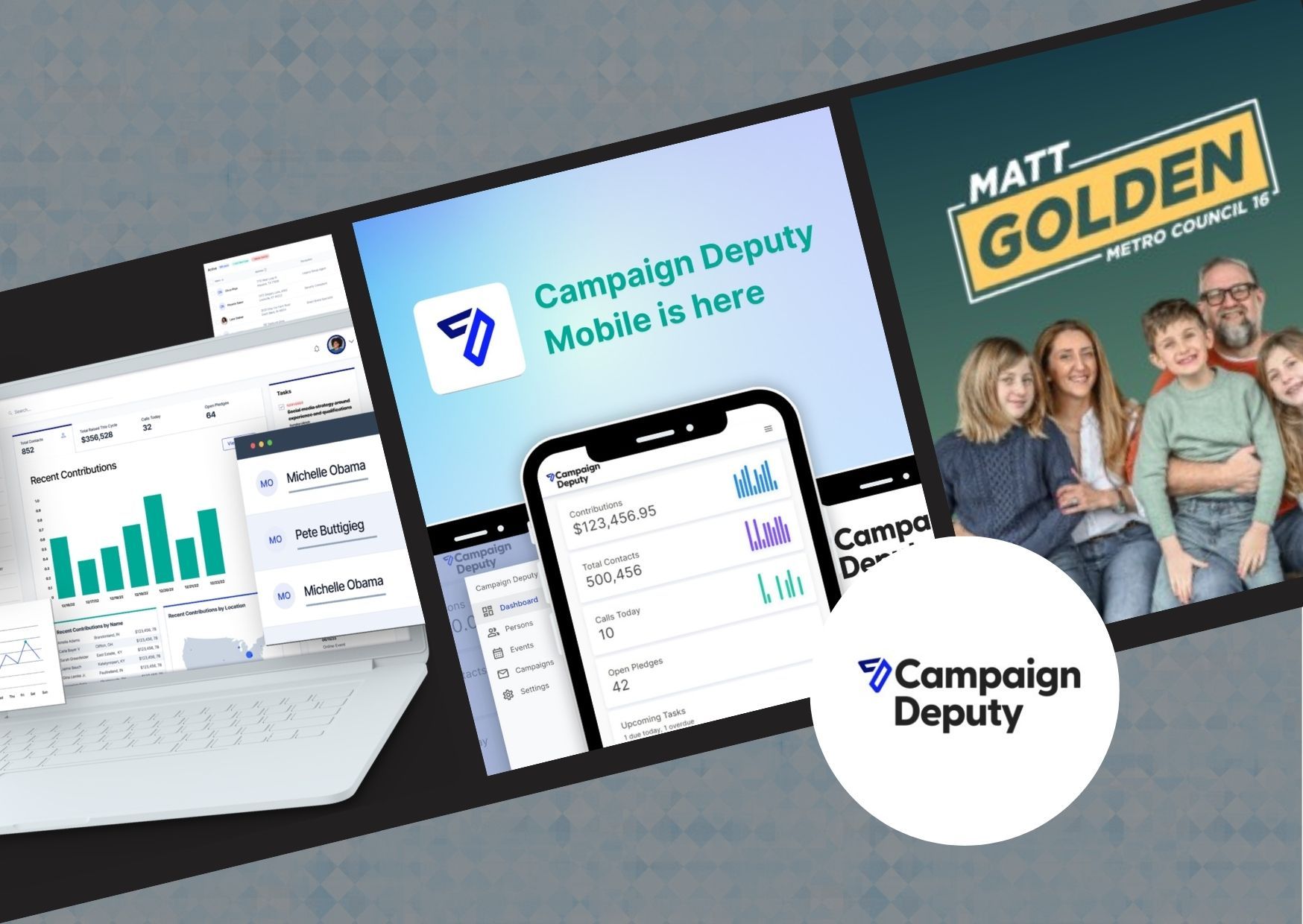
Turn Fragmented Lists into a Single Voter and Donor System
Campaigns often start with good intentions and messy data. Volunteers collect contacts from events, consultants import spreadsheets, and finance teams track contributions in separate tools, so the same person best crm for political campaigns ends up with multiple records. That fragmentation creates avoidable mistakes like duplicate outreach, missed follow-ups, and confusing reporting that makes leaders hesitate to scale.
A practical solution is to centralize contacts and unify records around clear identifiers like voter ID, household, and donation history. A strong CRM for political operations supports custom fields, deduplication rules, and structured tagging so staff can segment by precinct, issue interest, volunteer status, and giving capacity. When the data model is consistent, every team member can work from the same truth rather than guessing which list is “latest.”
Connect Communication Workflows to Reduce Missed Outreach
Even when lists are clean, outreach fails when communication isn’t tied to the same system that stores campaign goals. Phone banks may not know who already responded to an email, texting efforts email marketing for political campaigns can happen without context, and follow-up tasks get lost between shifts. The result is wasted effort and a weaker relationship with supporters who expect timely, coordinated messaging.
The fix is workflow-driven engagement: log every touchpoint, assign next actions, and trigger follow-ups based on behavior. With templates, audiences, and scheduling built into the CRM, teams can run coordinated campaigns that feel personalized while still staying organized.
Strengthen Fundraising with Tracking, Attribution, and Compliance
Fundraising operations break down when donation data isn’t connected to the broader donor journey. Staff may know that a contribution came in, but not why the donor gave, which message influenced them, or whether they should be asked to attend an event next. Without attribution and structured tracking, leadership can’t evaluate what is working, and development teams spend time assembling reports instead of planning better outreach.
A dedicated system helps by linking donors to activities like event attendance, email responses, phone conversations, and recurring giving requests. Built-in reporting can show pipeline stages, conversion rates, and campaign performance indicators without manual spreadsheet crunching. Just as important, compliance workflows can be standardized so approvals, records retention, and audit trails are handled consistently, reducing the risk of errors when multiple staff members and vendors touch the same information.
Conclusion
When a campaign replaces scattered spreadsheets with a workflow-focused platform, the improvements show up quickly: fewer duplicates, clearer segmentation, and outreach that actually follows through. Staff members gain visibility into who has been contacted, what happened during each conversation, and what the next best action should be. That operational clarity supports stronger fundraising, more reliable reporting, and better coordination between development, field, and communications teams. By building stronger fundraising operations with campaigndeputy.com, campaigns can manage donors, call time, email, texting, and reporting in one place while keeping outreach organized and compliance workflows efficient. The result is a system that helps supporters feel recognized and helped, while giving leadership the data needed to make confident decisions. If your current process is slowed down by disconnected tools, adopting a unified approach can be the most direct path to better performance.
