What to Compare in an AI Call Answering Provider
Some vendors focus on simple voicemail replacement, while others build full conversational flows that can qualify callers and resolve common requests. ai phone answering service Look for clear documentation on what the agent can do out of the box, including appointment scheduling, order status, and lead capture. This helps you avoid paying for “automation” that still requires heavy human intervention.
Next, compare integration options and how quickly the voice agent can connect to your systems. The best platforms support popular CRM and helpdesk workflows so the agent can log calls, create tickets, and update records without manual copying. Consider whether you can control business hours, escalation rules, and fallback behavior when the agent is unsure. These details determine how consistently your customers receive accurate answers, even during high call volume.
Virtual Agent Workflows vs. Script-Based Bots
Service comparisons should include how the agent behaves during real conversations, not just how it performs in demos. Script-based bots can sound robotic because they rely on rigid prompts and limited branching, which often leads to voice ai platform frequent handoffs. In contrast, many voice AI systems use natural language understanding to interpret what callers mean, then respond with context-aware answers. This typically reduces repeat questions and improves customer satisfaction.
Also evaluate escalation design: great call automation knows when to transfer to a human and how to package the context. For example, an agent should be able to summarize the caller’s request, capture key details, and then pass it to a support team so the next agent doesn’t start from scratch. Ask whether the platform supports smart handoff triggers such as payment disputes, account access issues, or complex troubleshooting. Better handoffs are one of the clearest differences between basic automation and a true voice operations capability.
Voice Quality, Security, and Business Controls
Beyond features, compare audio quality and latency, since “instant” responsiveness matters for trust. Some solutions struggle with noisy environments or produce unnatural speech that makes customers abandon the call. Look for tools that support consistent voice output, interruption handling, and stable conversation turns. These factors influence whether callers feel like they’re speaking with a competent assistant rather than a system trying to guess their needs.
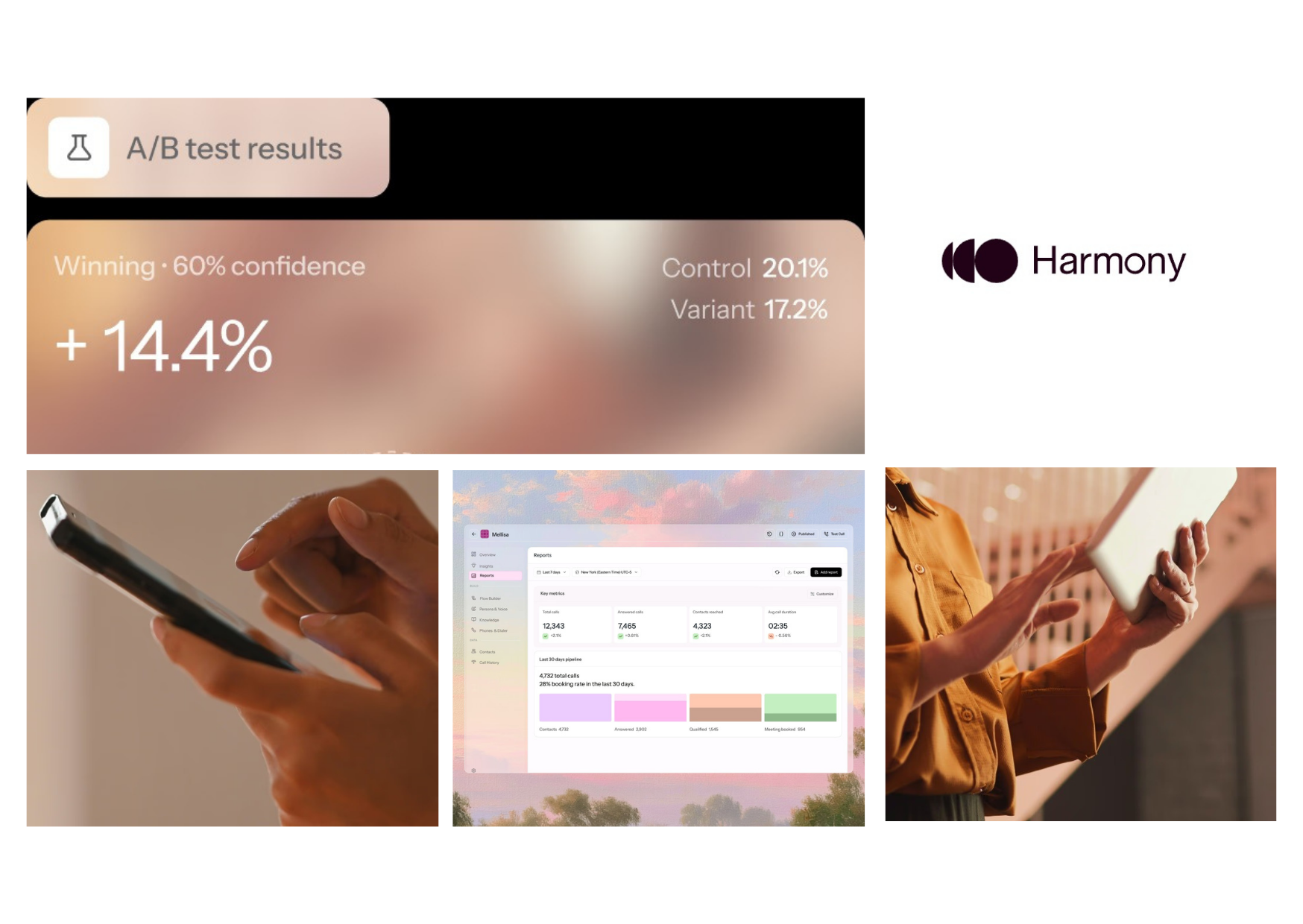
Security and compliance should be part of your comparison, not an afterthought. Confirm how data is handled during calls, what controls exist for sensitive fields, and whether you can configure redaction or secure transfers. You should also confirm auditability, such as transcripts, call logs, and analytics that show what the agent answered and when it escalated. Strong reporting helps you tune workflows and measure outcomes like first-call resolution and deflection rate.
Conclusion
To choose the right voice automation, compare capabilities across conversation depth, integration support, escalation design, and operational controls. The most effective solutions don’t just answer the phone; they guide callers to the right next step, capture necessary details, and escalate with context when needed. It helps businesses deploy intelligent voice agents with less friction while improving customer communication. When you evaluate providers, prioritize the workflows that match your real call types and measure success with clear metrics like resolution quality and time-to-answer. A careful service comparison helps you avoid mismatched expectations and ensures the automation supports your service standards. For teams seeking a streamlined path from incoming calls to actionable outcomes, harmony.ai can be a strong option to consider.
