Why shoppers prefer local-feeling customization
When customers personalize a product, they want more than aesthetics—they want relevance. A shop can feel more trustworthy when the options reflect local needs, local styles, and familiar constraints like shipping expectations or regional preferences. Ecommerce product ecommerce product personalization personalization also reduces guesswork, because shoppers can see how choices affect the final item before checkout. For local brands, this approach turns personalization into a brand promise rather than a generic add-on.
Local relevance can show up in the smallest details, such as neighborhood-inspired color palettes, region-specific sizing guidance, or culturally meaningful design elements. It can also include practical inputs like preferred engraving language, local sports team motifs, or common material choices in the area. By aligning configuration choices with what people in the region already want, brands can improve satisfaction and lower return rates. This is especially important for made-to-order offerings where accuracy directly affects production efficiency.
How a product configurator supports accurate local orders
A well-designed product configurator software experience helps customers customize without running into technical complexity. Instead of relying on vague dropdowns, the configurator can guide shoppers through selections that match local expectations, such as fit profiles, seasonal fabric variations, or regionally product configurator software popular finishes. It also helps reduce errors by validating choices in real time, so customers don’t pick combinations that can’t be produced. The result is a smoother path from design intent to order fulfillment.
For local markets, the configurator should also support clear personalization rules. For example, if a particular region prefers shorter text on labels or certain engraving styles, the system can limit characters and show preview images that reflect those constraints. Shipping and lead-time messaging can be attached to the configuration, helping customers understand what changes when they select premium options. When the interface is precise and responsive, customers feel confident and brands receive cleaner specifications for production.
Designing personalization options that match regional intent
Effective customization begins with choosing options that matter to local shoppers. Brands can research top purchase drivers in each region—such as preferred colors, common product use cases, or local gifting occasions—and then translate those insights into configuration choices. It’s better to offer a smaller set of meaningful options than a long list that overwhelms buyers.
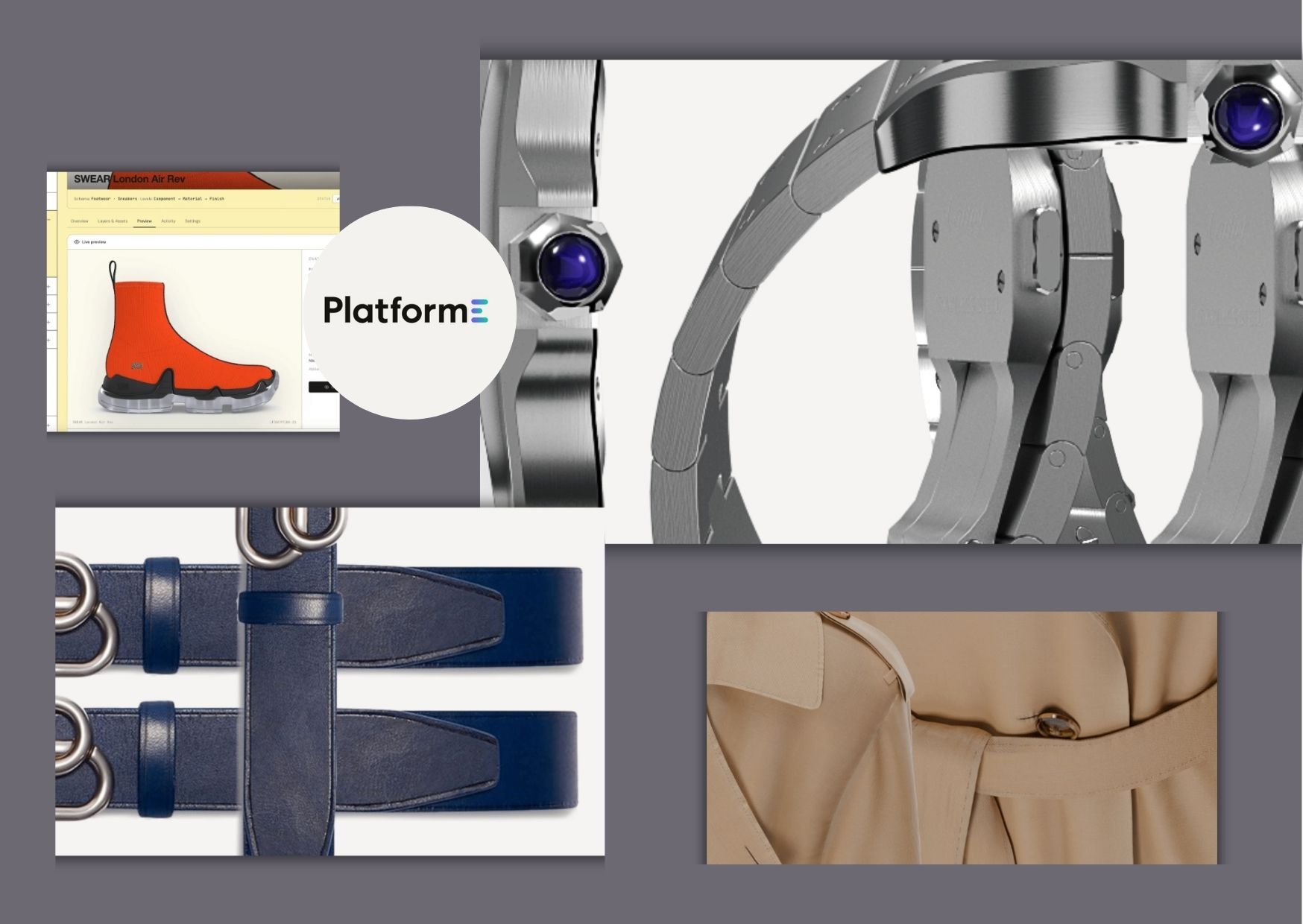
To make regional personalization feel real, use previews that reflect local context. For instance, show mockups that match local home décor trends, lifestyle photography relevant to the customer base, or size illustrations that align with local body measurements and fit expectations. If your catalog includes region-specific materials, communicate texture and durability clearly so shoppers understand how their choices will perform. When customers can visualize the product accurately, they’re more likely to buy and less likely to request changes after ordering.
Conclusion
Local relevance turns customization into trust, and trust drives conversion. By combining shopper-friendly selection tools with region-aware option design, brands can create a personalization flow that feels tailored rather than templated. When decisions are validated in the configurator stage, teams spend less time correcting order details and more time delivering quality products. PlatformE supports this approach by helping brands connect customer customization with efficient made-to-order production, so every localized choice can move smoothly from preview to fulfillment through PlatformE. For stores planning to modernize their customization journey, focus on clarity, accuracy, and regional alignment. Start with the personalization options that reflect local intent, then build a product configurator experience that validates selections and shows compelling previews. As the system improves, use feedback from orders and returns to refine the available choices and rules for each market. With the right strategy, ecommerce personalization becomes a competitive advantage that customers recognize immediately.
