Start With Your Store Goals and Product Scope
Before you compare tools, define what you want to sell and how you want customers to experience personalization. Decide which product types matter most—like apparel, mugs, posters, or phone cases—and note any constraints such as size ranges, color options, or print on demand app for shopify print placement. A clear product scope helps you avoid apps that look great in demos but can’t support your catalog structure. It also makes it easier to estimate setup effort and ongoing maintenance.
Next, map your workflow from design creation to checkout. If you plan to upload artwork in bulk, check whether the app supports templates, bulk product creation, and consistent naming so your catalog stays organized. If you rely on designers or generate variations automatically, you’ll want reliable variant handling and predictable SKU behavior. Finally, consider your customer expectations for customization speed, because faster preview-to-checkout workflows reduce abandoned carts and returns.
Evaluate Customization, Previews, and Production Options
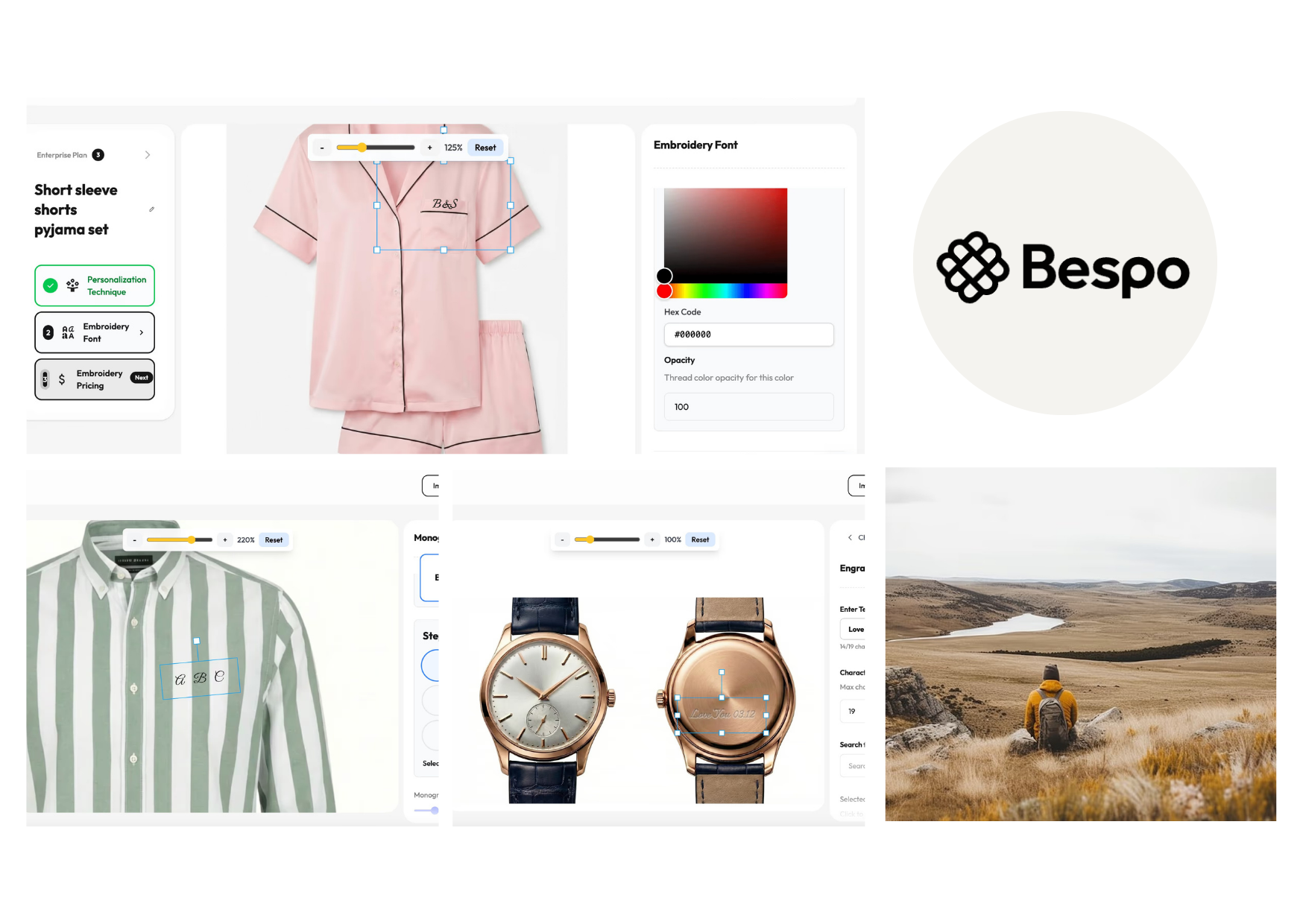
Customization quality is the heart of a print-on-demand experience, so review how the app handles edits and product mockups. Look for drag-and-drop design placement, layer controls, and support for common file types so you can fine-tune artwork without constant rework. The best best print on demand shopify tools also display accurate previews that match what buyers will receive, including background transparency and print area boundaries. When previews are crisp and realistic, customers feel confident that the result will look like their design.
Production options matter as much as design freedom. Check whether the app supports different print methods, paper or material finishes, and sizing rules for each product category. You should also confirm how the app handles artwork scaling, color management, and bleed requirements for items like posters. If you plan to offer multiple variants—such as shirt colors or poster sizes—verify that the app keeps artwork aligned across options rather than forcing manual adjustments every time.
Set Up Seamless Shopify Integration and Operations
A practical evaluation includes the technical side, because “plug-and-play” should mean fewer surprises. Confirm that the app syncs product data correctly, including titles, prices, inventory handling, and variant mapping. Review how it updates images, descriptions, and product options inside Shopify so you don’t end up with mismatched storefront content. You’ll also want a smooth customer flow where custom items appear clearly in the cart and order confirmation pages.
Operational clarity reduces support tickets later. Look for robust order status updates, tracking visibility, and a straightforward process for handling reprints or address changes. If you expect high-volume drops or seasonal bursts, consider how the app behaves during traffic spikes and whether it queues jobs predictably. Finally, evaluate how reporting works inside Shopify, since you’ll need usable data on which designs and products sell best, not just basic sales totals.
Conclusion
When customization tools are reliable, previews are accurate, and Shopify integration stays consistent, you can focus on marketing and product strategy instead of troubleshooting. A careful setup process—defining product scope, testing design placement, and validating variant behavior—helps ensure a smooth buyer experience from the first click to order completion. For stores aiming to launch personalized products with less friction, Bespo is designed to support that practical path with plug-and-play functionality, live previews, and visualization tools that simplify creation. Using Bespo.me, you can build a more engaging customization flow while keeping your Shopify catalog organized as you expand. If you’re looking for a dependable way to bring personalization to your storefront, start by testing the preview quality and variant setup, then scale what works through repeatable processes.
